REDEFINING SUCCESS!

Chess, an enduring game of tactics, intellect, and creativity, has captivated enthusiasts for centuries. Celebrated not only as a sport but also as an art form, it provides players with a unique medium to express their individuality. The 64 squares represent a universe of infinite possibilities, where passion and imagination meet. Yet, in recent years, a subtle but significant shift has occurred: the intrinsic love of chess is increasingly giving way to a success-driven mindset. This raises an important question: is the soul of chess being overshadowed by the relentless pursuit of achievement?
The Joy of Pure Play
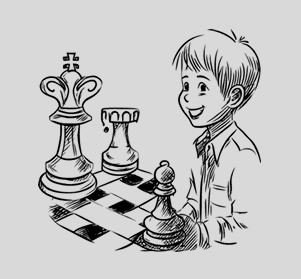
Throughout history, chess has been a pursuit of curiosity and delight, profoundly shaped by the Romantic Era. This period celebrated bold sacrifices and daring attacks, emphasizing creativity and imagination over purely strategic play. It was a time when players sought beauty on the board, weaving games that were as much works of art as they were contests of skill.
The Rise of the Success-Oriented Approach
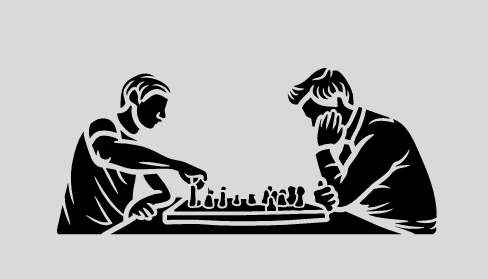
In today’s fast-paced world, the narrative has changed. Chess is increasingly viewed through the lens of measurable outcomes: ratings, titles, trophies, and rankings. This shift has profound psychological effects, particularly on younger players, who may feel immense pressure to achieve tangible milestones at the cost of enjoying the game itself.
This mindset is not without merit. Competition drives excellence, and success can be deeply fulfilling. Yet, when success becomes the sole focus, the essence of chess risks being lost. The pressure to win at all costs can stifle creativity and reduce the game to a mechanical exercise.
The Role of Modern Training Methods
Advancements in technology have revolutionized chess training. Chess computers and databases have become indispensable tools for players at all levels. While these resources have raised the overall standard of play, they have also contributed to the shift in mindset. The joy of discovery—once found in delving into books or experimenting on the board—is now often replaced by the efficiency of computer-assisted preparation. Players are rewarded for memorization and precision rather than originality and imagination.

A Harmonious Approach
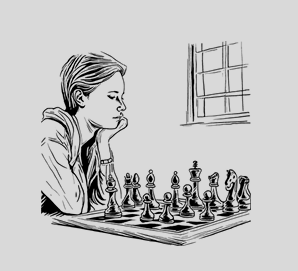
Does this mean that the love of chess is doomed to fade, or can a balance be struck between competitive ambition and the intrinsic joy of the game? Not necessarily. The key lies in finding a balance between pursuing success and preserving the passion that makes chess special. Here are a few ways to strike that balance:
- Celebrate Creativity – Encourage unconventional ideas and beauty in play.
- Redefine Success – Growth and learning matter more than winning.
- Foster Community – Chess is a shared experience, not just competition.
- Embrace Playfulness – Keep the joy alive through experimentation.